Pediatric diabetes is a condition in which a child has persistently high blood glucose levels because the body does not produce enough insulin or cannot use insulin effectively. Early evaluation can help identify the type of diabetes and support appropriate management. Dr. Mohd Shoeb Khan, Pediatrician in Raipur, provides pediatric consultations for children with diabetes-related concerns at I.H. Khan's Children Clinic Raipur.
Diabetes in children refers to a group of diseases that affect how the body processes blood sugar (glucose). The most common types of diabetes in children are Type 1 and Type 2 diabetes.
If your child is drinking unusually large amounts of water, urinating frequently, losing weight without an obvious reason or becoming unusually tired, it is important to seek medical evaluation rather than assuming the symptoms are part of normal childhood.
Book a Pediatric Consultation with Dr. Mohd Shoeb Khan.
What Is Pediatric Diabetes?
Pediatric diabetes refers to diabetes occurring during childhood or adolescence.
Glucose is an important source of energy for the body. Insulin helps glucose move from the bloodstream into cells where it can be used for energy. When insulin is absent, insufficient or not working effectively, blood glucose can rise.
Diabetes in children requires proper medical assessment because different types of diabetes can occur during childhood and the treatment approach may differ.
At I.H. Khan's Children Clinic Raipur, Dr. Mohd Shoeb Khan evaluates the child's symptoms and relevant medical history to determine whether further testing or specialist care is appropriate.
What Are the Main Types of Diabetes in Children?
Diabetes is not the same in every child. Understanding the possible type is an important part of evaluation.
Type 1 Diabetes in Children
Occurs when the immune system attacks the insulin-producing beta cells of the pancreas. As a result, the body produces little or no insulin. Children with Type 1 diabetes generally require insulin treatment and it can develop at different ages, sometimes appearing relatively quickly.
Type 2 Diabetes in Children
Occurs when the body does not use insulin effectively and over time may not produce enough insulin to maintain normal blood glucose levels. It is increasingly recognized in children and adolescents, with risk associated with family history, excess body weight, insulin resistance, limited physical activity and certain genetic or medical factors.
Other Forms of Diabetes
Some children may develop diabetes because of other medical conditions, genetic factors or certain medications. Identifying the underlying cause is important when diabetes is diagnosed.
A child's individual risk factors need to be assessed rather than assuming that diabetes is caused by one factor.
Causes of Diabetes in Children
-
Type 1 Diabetes: Primarily caused by genetic factors that trigger an autoimmune response, though the exact cause is not fully understood. Children with a family history of Type 1 diabetes are at an increased risk.
-
Type 2 Diabetes: Genetic factors also play a role, but the condition is strongly linked to lifestyle factors such as poor diet, lack of physical activity, and obesity.
-
Viral infections can trigger Type 1 diabetes in genetically predisposed children, though this is not always the case.
-
Poor diet, lack of physical activity, and being overweight or obese increase the risk of developing Type 2 diabetes in children.
-
The immune system mistakenly attacks the insulin-producing beta cells in the pancreas, resulting in a lack of insulin.
Common Symptoms of Diabetes in Children
Parents may notice several changes when a child's blood glucose becomes significantly elevated. Common symptoms can include:
-
Frequent urination
-
Excessive thirst
-
Increased hunger
-
Unexplained weight loss
-
Increased tiredness and reduced energy
-
Blurred vision
-
Changes in behaviour
-
Slow healing of wounds
-
Recurrent infections
Not every child will experience all these symptoms. Some children may have symptoms for a short period before diagnosis while others may have more gradual changes.
Frequent Urination and Excessive Thirst
Two symptoms parents should pay attention to are increased urination and increased thirst. A child may:
-
Ask for water more frequently
-
Wake during the night to drink
-
Start wetting the bed after being previously dry
-
Urinate more frequently than usual
These symptoms can occur for several reasons and do not automatically mean that a child has diabetes. However, persistent changes deserve medical evaluation.
Unexplained Weight Loss in Children
Children normally gain weight as they grow. Unexplained weight loss can be a sign of an underlying health problem. When insulin is insufficient, the body cannot use glucose effectively for energy. The body may begin using stored fat and muscle as alternative energy sources.
If your child is losing weight without a clear explanation, consult a pediatrician for appropriate evaluation.
Tiredness and Reduced Energy
A child with uncontrolled high blood glucose may appear unusually tired or less active. Parents may notice:
- Reduced interest in playing
- Increased sleepiness
- Difficulty concentrating
- Lower energy
- Changes in normal activity
Tiredness has many possible causes. A pediatric assessment helps determine whether diabetes or another condition could be responsible.
When Should Parents Consult a Pediatrician?
Parents should consider a pediatric consultation if their child develops:
-
Excessive thirst
-
Frequent or night-time urination
-
New bedwetting
-
Unexplained weight loss
-
Persistent tiredness
-
Increased hunger with weight loss
-
Recurrent infections
-
Blurred vision
-
Unusual weakness
-
A family history of diabetes along with concerning symptoms
Early medical evaluation can help determine whether blood glucose testing is required.
How Is Pediatric Diabetes Diagnosed?
Diagnosis requires appropriate blood glucose testing and interpretation by a healthcare professional. Depending on the child's symptoms and clinical situation, tests may include:
Blood Glucose Test
Measured to determine the level of glucose in the bloodstream.
Fasting Blood Glucose
Measures blood glucose after a specified period without food.
Random Blood Glucose
A measurement taken without requiring fasting when clinically appropriate.
HbA1c Test
Provides information about average blood glucose levels over the preceding several weeks.
Additional Testing
A doctor may recommend additional tests to help understand the type or cause of diabetes depending on presentation.
What Happens After Diabetes Is Diagnosed?
A diabetes diagnosis can feel overwhelming for parents. The next step is understanding what type of diabetes the child has and what treatment and monitoring are required.
Management may involve:
- Medication or insulin when indicated
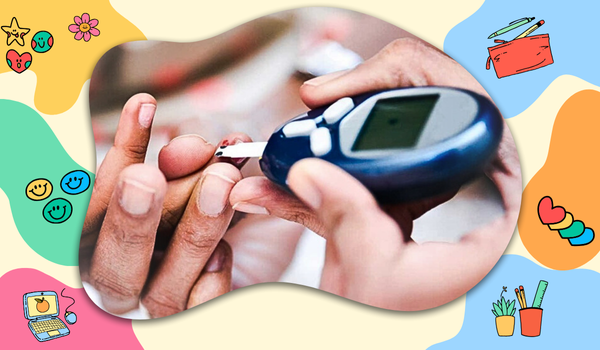
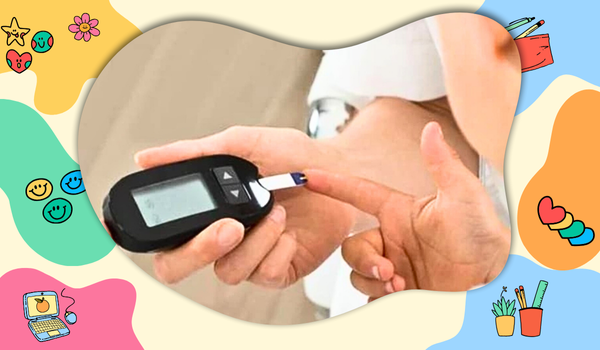
- Blood glucose monitoring
- Nutrition guidance
- Physical activity
- Regular medical follow-up
- Education for parents and the child
- Monitoring for complications
The treatment plan is individualized. Children should not stop or change prescribed diabetes medication without medical advice.
Diabetes Care for Children With Type 1 Diabetes
Children with Type 1 diabetes require insulin because their bodies produce little or no insulin. Diabetes management may involve:
-
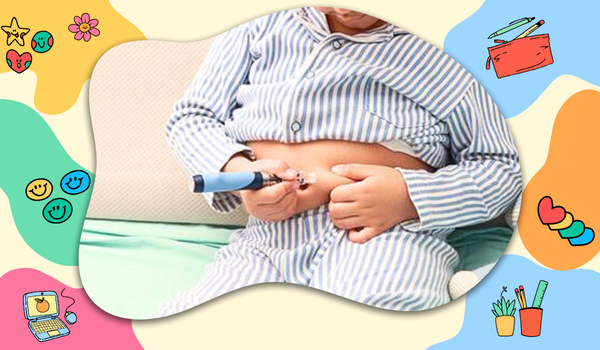
Insulin administration
-
Blood glucose monitoring
-
Understanding carbohydrate intake
-
Recognizing low and high blood glucose
-
Managing illness
-
Regular follow-up
Parents and children need practical education so that diabetes management becomes part of their daily routine.
Diabetes Care for Children With Type 2 Diabetes
Management of Type 2 diabetes can vary depending on the child's age, blood glucose levels and overall health. It may include:
-
Nutrition changes
-
Regular physical activity
-
Healthy sleep habits
-
Weight management when appropriate
-
Blood glucose monitoring
-
Medication when prescribed and regular medical follow-up
The goal is not simply to focus on weight. Children need balanced nutrition and appropriate physical development while their diabetes is managed.
Nutrition and Pediatric Diabetes
Nutrition is an important part of diabetes management. Children still need adequate nutrients for normal growth and development. Parents can discuss:
-
Meal timing
-
Balanced meals
-
Carbohydrate-containing foods
-
Portion sizes
-
Healthy snacks
-
Sugary drinks
-
School meals
-
Eating during sports and activities
A child's nutritional requirements change with age and growth. Diet plans should therefore be individualized rather than based on restrictive adult diets.
Physical Activity and Children With Diabetes
Regular physical activity is beneficial for children's overall health. Children with diabetes can often participate in age-appropriate physical activities with appropriate medical guidance. Parents should understand how activity can affect blood glucose and follow the child's diabetes care plan.
Activities may include:
-
Walking and cycling
-
Swimming
-
Outdoor games and sports
-
Age-appropriate exercise
Children should not be unnecessarily restricted from normal activities solely because they have diabetes.
Diabetes and School Life
A child with diabetes may need support at school. Parents can communicate with teachers and school staff about the child's condition and medical requirements. Depending on the child's treatment plan, school arrangements may need to address:
-
Access to drinking water and bathroom access
-
Blood glucose monitoring
-
Medication or insulin requirements
-
Food and snacks
-
Physical education and recognition of low blood glucose symptoms
Good communication between parents, healthcare professionals and school staff can help create a safer routine.
What Is Low Blood Sugar in Children?
Low blood glucose is called hypoglycemia. It can occur in children who use insulin or certain diabetes medications. Possible symptoms include:
-
Shaking and sweating
-
Hunger and irritability
-
Dizziness and weakness
-
Confusion and difficulty concentrating
Parents of children using insulin should learn the child's individualized hypoglycemia management plan from their healthcare team. Severe symptoms such as loss of consciousness or seizures require urgent medical attention.
What Is High Blood Sugar in Children?
High blood glucose is called hyperglycemia. Symptoms can include:
-
Increased thirst
-
Frequent urination
-
Tiredness
-
Headache
-
Blurred vision
Persistent or significantly elevated blood glucose should be managed according to the child's diabetes care plan. Parents should know when their child's healthcare team recommends additional testing or urgent assessment.
Diabetic Ketoacidosis in Children
Diabetic ketoacidosis or DKA is a serious complication that can occur when there is severe insulin deficiency. It is particularly associated with Type 1 diabetes.
Possible warning symptoms include:
- Excessive thirst and frequent urination
- Vomiting and abdominal pain
- Deep or rapid breathing
- Significant weakness
- Fruity-smelling breath
- Confusion or unusual sleepiness
DKA requires urgent medical treatment. If a child has severe symptoms or appears seriously unwell, parents should seek emergency medical care immediately.
How Can a Pediatrician Help a Child With Diabetes?
Dr. Mohd Shoeb Khan, Pediatrician in Raipur, can help parents understand their child's symptoms and determine when further diabetes evaluation may be appropriate. A pediatric consultation may include:
-
Reviewing symptoms
-
Assessing growth and development
-
Reviewing family medical history
-
Understanding dietary and activity patterns
-
Evaluating relevant clinical findings
-
Advising appropriate blood tests when indicated
-
Explaining the next steps to parents
When diabetes is confirmed, ongoing care may involve coordination with appropriate diabetes or pediatric specialists depending on the child's needs.
Pediatric Diabetes Care at I.H. Khan's Children Clinic Raipur
At I.H. Khan's Children Clinic Raipur, parents can consult Dr. Mohd Shoeb Khan, Pediatrician in Raipur, for pediatric health concerns including diabetes-related symptoms. The consultation focuses on understanding the child's individual condition rather than assuming that every child with increased thirst, urination or weight changes has diabetes.
Parents can also discuss other child healthcare requirements including:
-
Growth and development
You can explore the Services page to understand the pediatric care available at the clinic.
Pediatrician in Raipur for Diabetes-Related Concerns
Parents searching for a Pediatrician in Raipur for diabetes-related concerns can consult Dr. Mohd Shoeb Khan at I.H. Khan's Children Clinic Raipur. Dr. Khan completed his MBBS in 2009 and MD in Paediatrics in 2015. He also completed specialized training in pediatric nutrition and neonatology. His professional background allows him to evaluate children across different stages of childhood while considering their growth, nutrition and overall health.
For more information about his qualifications and professional experience, visit the About Dr. Mohd Shoeb Khan page.
Pediatric Diabetes and Growth Monitoring
Children with diabetes require attention not only to blood glucose but also to normal growth and development. During pediatric follow-up, healthcare professionals may monitor:
-
Height, weight and growth pattern
-
Pubertal development
-
Nutrition and physical activity
-
General wellbeing
Growth assessment is especially important because children are still developing while their diabetes is being managed.
Pediatric Diabetes and Family History
Family history can be relevant when assessing a child's risk of diabetes. Parents should tell the pediatrician if close family members have diabetes.
However, having a family history does not mean that a child will definitely develop diabetes. The child's symptoms, examination and appropriate testing remain important when evaluating suspected diabetes.
Can Children With Diabetes Live an Active Life?
Yes. Children with diabetes can participate in school, sports, play and many normal childhood activities with appropriate diabetes management.
Parents can help by:
- Following the child's diabetes care plan
- Monitoring glucose as recommended
- Understanding medication or insulin requirements
- Planning for physical activity
- Communicating with school staff
- Keeping follow-up appointments
Diabetes management should support the child's development rather than unnecessarily limiting normal childhood experiences.
Pediatric Diabetes Care Near Avanti Vihar and Shankar Nagar
Families searching for Pediatric Diabetes Care in Raipur, Pediatrician in Raipur or a Children Clinic in Raipur can contact I.H. Khan's Children Clinic Raipur.
The clinic is located at: C11, Avanti Vihar Road, Near Hanuman Mandir ATM, Sector 1, Shankar Nagar, Raipur, Chhattisgarh.
The location may be convenient for families from:
Avanti Vihar, Shankar Nagar, Khamardih, Mowa, Saddu, Telibandha, Pandri, Devendra Nagar, Civil Lines, Rajendra Nagar, Samta Colony, Kota and VIP Road.
Families from other parts of Raipur can contact the clinic to check appointment availability.
When Should You Take Your Child for Diabetes Evaluation?
Parents should consider medical evaluation when they notice a persistent change in their child's normal routine. Particularly important symptoms include:
-
Drinking much more water than usual
-
Urinating frequently
-
New bedwetting
-
Losing weight without an obvious reason
-
Persistent tiredness
-
Increased hunger with weight loss
-
Recurrent infections
-
Blurred vision
-
Significant weakness
These symptoms can have many causes. Diabetes testing should be guided by a healthcare professional.